The journey of gambling a historical perspective on its evolution
Origins of Gambling in Ancient Civilizations
The journey of gambling can be traced back thousands of years to ancient civilizations such as the Mesopotamians, Egyptians, and Romans. Evidence suggests that these societies engaged in various forms of wagering, often tied to religious or cultural practices. Dice games were particularly popular in Mesopotamia, with clay dice dating back to around 3000 BC. The Egyptians also had their own games, often involving betting on outcomes in board games, highlighting the deep-seated nature of gambling in human history. If you’re looking for tips on where to start, exploring the best betting sites 2026 can be very beneficial.

In ancient Rome, gambling was a widespread pastime among both the rich and the poor. Romans would bet on chariot races and gladiator contests, establishing a culture where wagering on the outcomes of events was commonplace. The popularity of gambling in Rome led to the development of various betting games, and the establishment of rules to regulate such activities. This early integration of gambling into society laid the groundwork for the complex betting systems we see today.
The acceptance and normalization of gambling in these early civilizations were largely due to its integration into social activities. As different cultures embraced betting, they also created structured systems around it, which would evolve over time. This foundation of gambling in ancient societies illustrates how integral it has been to human interaction, shaping both culture and commerce throughout history.
The Evolution of Gambling in the Middle Ages
The Middle Ages marked a significant shift in the landscape of gambling. With the rise of feudalism in Europe, gambling took on new forms, becoming more organized and regulated. Card games began to emerge during this period, with the introduction of playing cards in the 14th century believed to be influenced by earlier Chinese games. These new forms of gambling appealed to various classes, further embedding the practice into the fabric of medieval society.
During this time, gambling was often a source of entertainment for the aristocracy, with betting on games of chance becoming a fashionable pastime. Tournaments and contests were organized, where nobles would wager large sums of money on the outcomes of jousting or other competitions. The establishment of these betting practices contributed to the development of gambling as a social event, creating an atmosphere of both excitement and risk among participants.
However, this period was not without controversy. Religious authorities often condemned gambling, linking it to moral decay and vice. Despite these challenges, the popularity of gambling persisted, leading to the establishment of regulations and laws governing the practice. This duality of gambling being both celebrated and frowned upon during the Middle Ages would continue to shape its evolution in the centuries to come.
The Birth of Modern Gambling: The 17th and 18th Centuries
The 17th and 18th centuries heralded a transformative era for gambling, marked by the establishment of formal casinos and betting houses. The first official casino, the Ridotto, opened in Venice in 1638, offering a regulated environment for gambling enthusiasts. This period saw the creation of various games that would become staples in casinos, including baccarat and roulette, which further refined the gambling experience.
As gambling became more mainstream, the concept of betting on sports also gained traction. Horse racing, in particular, emerged as a popular betting event, with formalized races and betting pools attracting large crowds. This shift toward organized sports betting laid the foundation for modern gambling practices, leading to the establishment of the first official betting organizations and regulations to manage wagers on sporting events.
The cultural acceptance of gambling was also bolstered by literature and art, with many writers and artists depicting the thrill and drama of gaming. This romanticization of gambling appealed to the masses, helping to further entrench it into society. As a result, gambling began to evolve from a discreet activity into a public spectacle, attracting participants from diverse backgrounds seeking both entertainment and fortune.
The Globalization of Gambling in the 19th and 20th Centuries
The 19th century saw the globalization of gambling, with the spread of casinos and betting houses to various parts of the world. The introduction of gambling laws in places like the United States led to the establishment of iconic destinations, such as Las Vegas, which would become synonymous with gambling culture. The rise of the industrial revolution also contributed to this trend, as people sought new forms of entertainment and leisure activities.
The 20th century further transformed the gambling landscape, with the introduction of new technologies. The advent of online gambling in the late 1990s revolutionized the way people engaged with betting, making it accessible to a global audience. Online casinos and betting sites emerged, providing a platform for users to gamble from the comfort of their homes. This shift not only changed the mechanics of gambling but also expanded its reach beyond traditional borders.
Moreover, the legalization and regulation of gambling in various jurisdictions around the world contributed to its normalization and acceptance. Governments began to see gambling as a means of revenue generation, leading to the establishment of regulated environments. This evolving landscape has allowed gambling to thrive and adapt, ensuring its relevance in the contemporary world.
Understanding the Contemporary Gambling Landscape
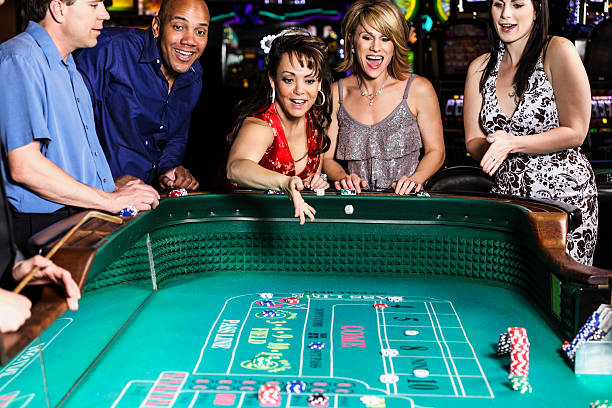
Today, gambling exists in various forms, from traditional casinos to online platforms, showcasing a rich tapestry of experiences for enthusiasts. The advent of mobile technology has further enhanced accessibility, allowing users to place bets and play games at any time, anywhere. This evolution has shifted the focus of gambling, moving from physical locations to digital arenas, reshaping how individuals engage with the practice.
The rise of responsible gambling initiatives is also a significant development in the contemporary landscape. As awareness around gambling addiction grows, many organizations and governments have implemented programs aimed at promoting safe gaming practices. These efforts reflect a commitment to ensuring that while gambling can be a source of entertainment, it is also approached with caution and responsibility.
Overall, the journey of gambling has been a complex one, shaped by cultural, social, and technological changes throughout history. Understanding this evolution offers insight into the practices and trends that define modern gambling today, highlighting its role as both a leisure activity and a significant economic factor in many regions around the globe.